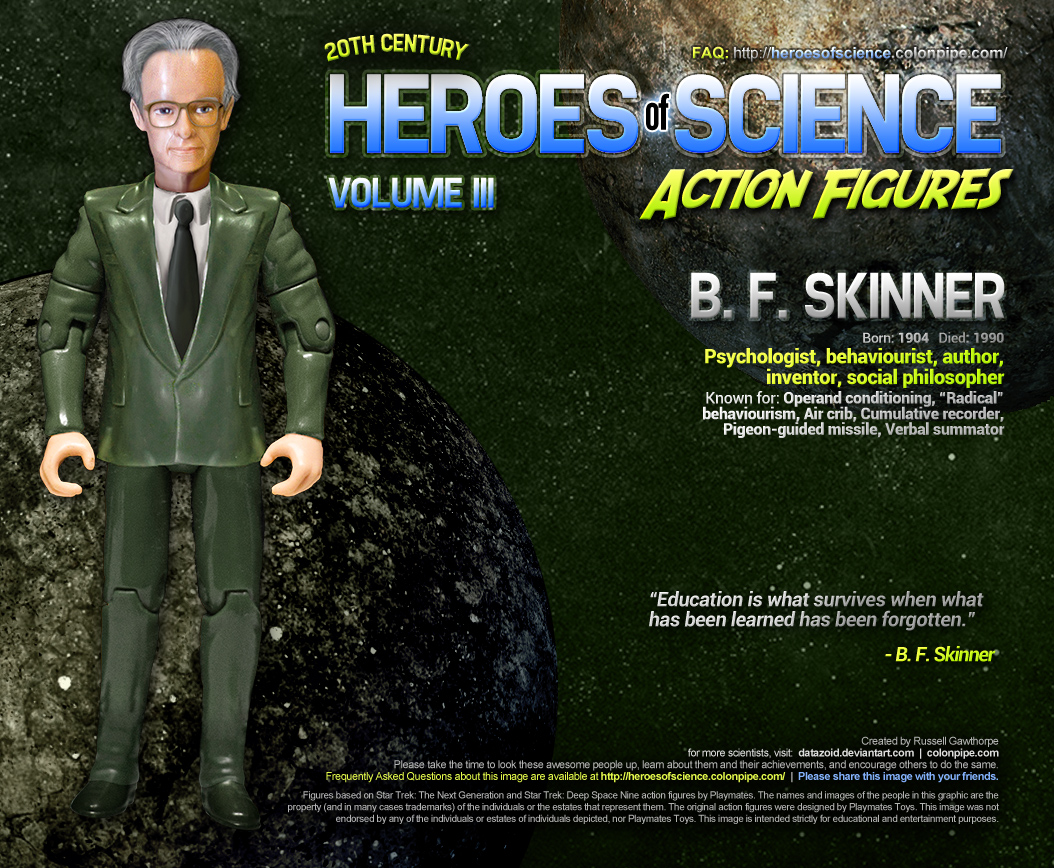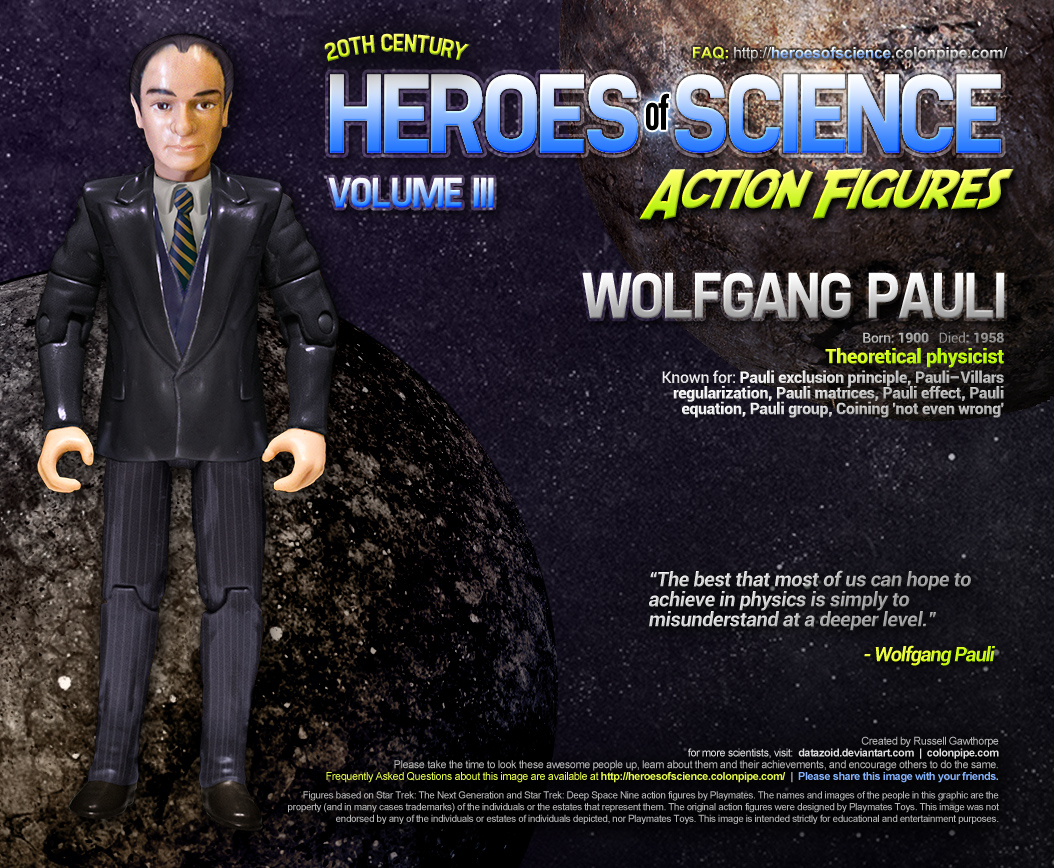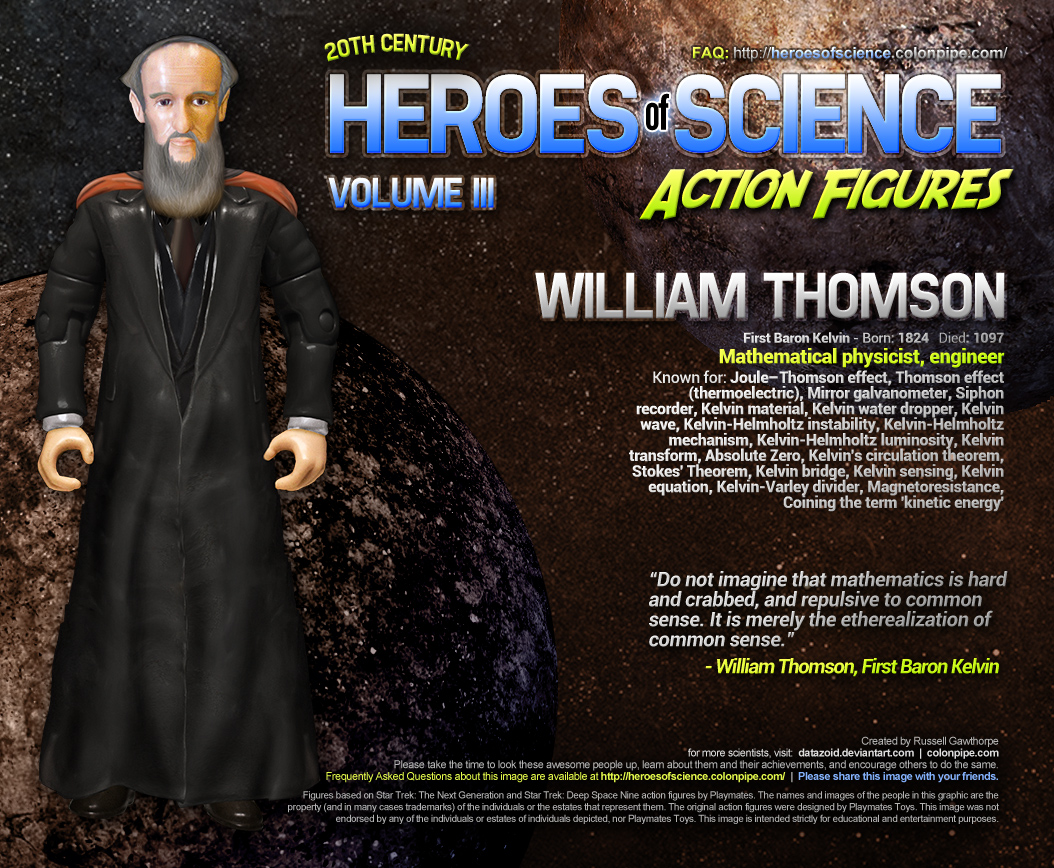
Grammar peculiarities: "Mose well"

I find it kind of satisfying when I Google the crap out of something and don't ultimately come up with a decent result. It means a couple of things:

  • it means I'm looking for something incredibly obscure, which is always satisfying
  • it means there's an opportunity to fill a gap in the internet, even if I'm filling it with my own opinion

Case in point, the phrase (or fragment of a phrase), mose well. 

It means, rather obviously, "might as well". "I might as well eat an apple" could be contracted to "I mose well eat an apple".

Some examples, trawled from the results of a Google search:

A fair question -- I'm not so pleased with the answer, though. I'm not sure what Samantha means by "the first way is the correct way". Does she mean "mose well", or "most well"? Or "might as well"? My head hurts.

I have that problem ALL the time.

Yes. Yes, you should. 1184 people are waiting with bated breath.

Arnt you?

It's more of a verbal slur than a contraction, and its something that has found its way into writing by purely descriptive means -- people writing they way they speak.

A brief aside on prescriptive versus descriptive recording of language, if I may --

When the words and usage of a language are recorded in the way they should be used, the recording is prescriptive. It's giving an instruction (a prescription, if you will) for how to use the language. A dictionary, usually, is prescriptive.

Descriptive recording is the recording of a language as it is spoken, with all its flaws, with the kind of "bad grammar" that evolves over time through a culture of people who use the language as a tool for communicating efficiently with one another. Historically, this kind of record is found in the writings of authors who mimic the voice of characters, inflections and pronunciations exaggerated or enhanced. Today, you'll find it everywhere, from Facebook status updates to "txt speak" and SMS messages.

There's some discord among scholars and pedagogues about which of these methods of recording is right or good, and at the end of the day the answer is always both and neither.

I digress.

Mose well is an informal contraction of "might as well". The closest similar terms I can think of are informal abbreviations like should of, would of and could of. These three examples are descriptive recordings of pronunciation, where the "ov" sound of the contracted "have" in should have, would have and could have has been replaced with its homonym: the word of. In my opinion -- for what that's worth -- should of, could of and would of are wrong. It's entirely possible they're going to worm their way into the English language anyway.

They mose well.
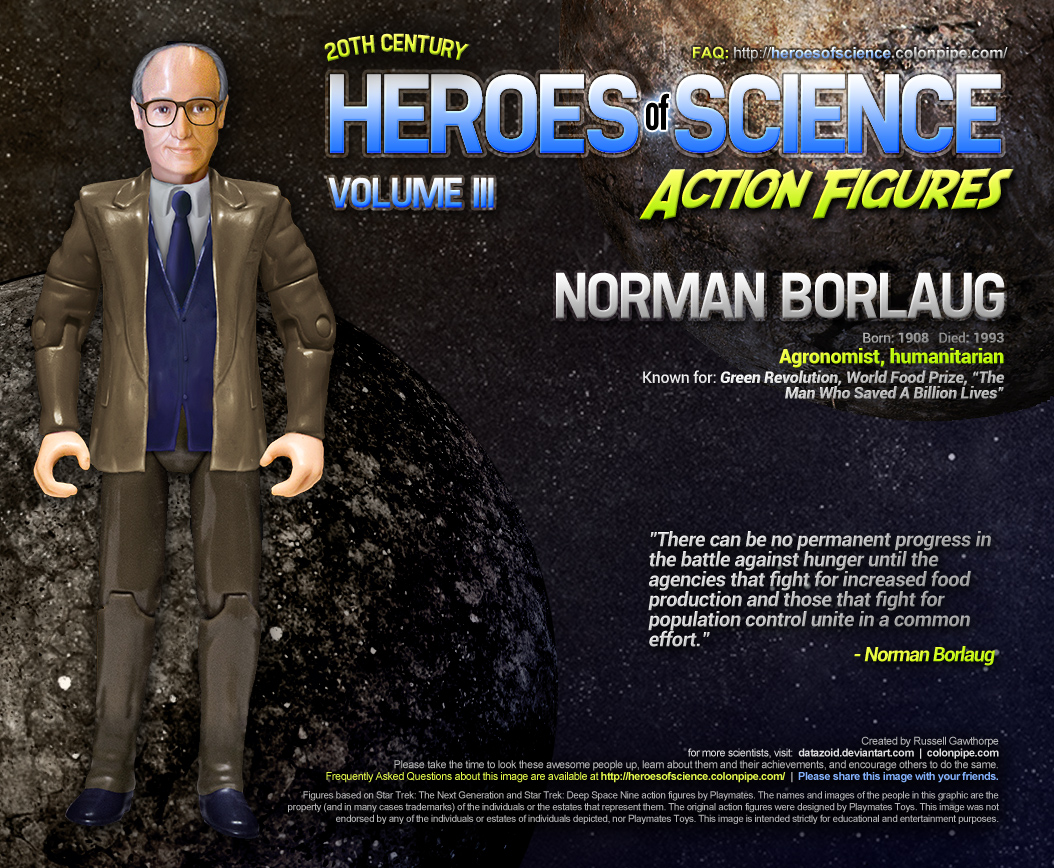
Heroes of Science: Norman Borlaug

We are the Borlaug: Resistance is....fertile? Click to enlarge. Continuing the Heroes of Science series, here's Norman Borlaug. An agronomist, humanitarian and Nobel laureate, Borlaug has been labelled the "father of the Green Revolution" and the "Man Who Saved A Billion Lives" for his work in developing high-yield and disease-resistant varieties of wheat. Borlaug took home the Nobel Peace Prize in 1970.

For more heroes, click here. For the original, click here. For frequently asked questions and answers, click here.

Heroes of Science: Konrad Lorenz

Konrad Lorenz: Geese not included. Click for bigger image. It's about time the Heroes of Science included an ornithologist. Here's Konrad Lorenz, ornithologist, zoologist and ethologist. He's the guy who (along with Douglas Spalding, a century beforehand) developed the idea of imprinting in birds, and was awarded the 1973 Nobel Prize in Physiology and Medicine for his discoveries in social behaviours.

More heroes here, FAQ here, thanks for your support!

It adds up: Girl takes calculator to prom

I don't usually share and link stuff, but hey. Here's a little article about a girl and her calculator. Her calculator isn't haunted, but I won't hold that against her. She took her Texas Instruments model 84 calculator to prom. As her date. Yeah. Turns out she even made it a little tuxedo, and everything. Repeat after me: "Aww."

Love that vignette!

Sourced from Geekologie, Unrealitymag and a bunch of other sites. Here's the original tumblrism, from ishipitlikeups (and her calculator).

Twitter: Gibson & Atwood like Heroes, disagree about clothing choices

It's been a while since the Heroes of Science gathered any attention, so I was surprised to be informed that William Gibson and Margaret Atwood had a brief discussion about them over Twitter:

..I did say it was a brief discussion.

Extra love to the others who joined in on the conversation to point out the lack of women in the original image. Check out the FAQ for reasoning behind this, and also check out the sequel for more scientists (and more women!).

Thanks for your continuing support, folks!

(Thanks to Derek for the tip.)

Heroes of Science: Edward O. Wilson

Edward O. Wilson: Click to make bigger-ish. Still continuing the Heroes of Science series: Here's Edward O. Wilson, biologist, sociobiologist, theorist, naturalist, myrmecologist and author. And probably the world's number one authority on ants. (No, he probably didn't wear a tie with ants on. Sorry. Artistic license.)

More about Heroes of Science on the FAQ. Thanks for your support!

Heroes of Science: Wolfgang Pauli

Wolfgang Pauli -- click to embiggen, cromulently. Continuing the Heroes of Science series, here's Wolfgang Pauli. Pauli was one of the pioneers of quantum physics, won the Nobel Prize in Physics in 1945, and rocked the crap out of a pair of pinstriped trousers.

More Heroes of Science shenanigans can be found on DeviantART, here, here and here. You can find Frequently Asked Questions about the fake figure series here, and everything that I've posted about the damn things here. Information, if nothing else, is in abundance.

Thanks for your continuing support, you little supporter, you.

Heroes of Science: Lord Kelvin

William Thomson, First Baron Kelvin, aka Lord Kelvin. Click to enlargify. In continuation of the Heroes of Science fake action figure series, here's Lord Kelvin, the chap responsible for developing the absolute scale of temperature, which he aptly named the Kelvin temperature scale -- thus ensuring he'd live on eternally in the minds and memories of science geeks and anyone who's ever tried to set white balance on a digital camera.

You can also find this image over on DeviantART if you're not comfortable viewing or commenting on it here, or feel your action figure examining experience would be enhanced by the greenish grey viewing experience of a DeviantART window.